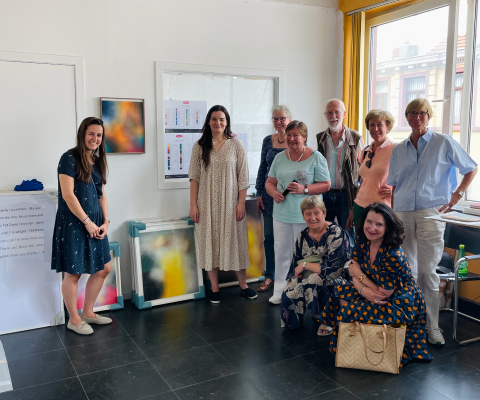
Friends of the Museum
Join the Friends of the Ixelles Museum and take part in the life of the museum!
Join the Friends of the Ixelles Museum and take part in the life of the museum!
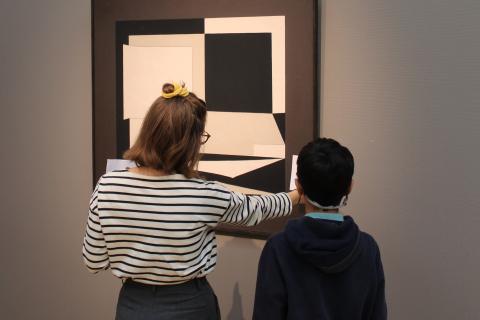
« The Ixelles Museum sees itself as a lively, open and welcoming place — a space where art can be discovered, questioned and shared. »
The life of the museum has been closely linked to the artistic life of Belgium as well as that of the Commune since its founding by the municipal authorities in 1892. Over time, the building has been expanded and adapted to meet cultural needs and ambitions, and today it features renovated rooms and a collection that has continuously grown.
1890
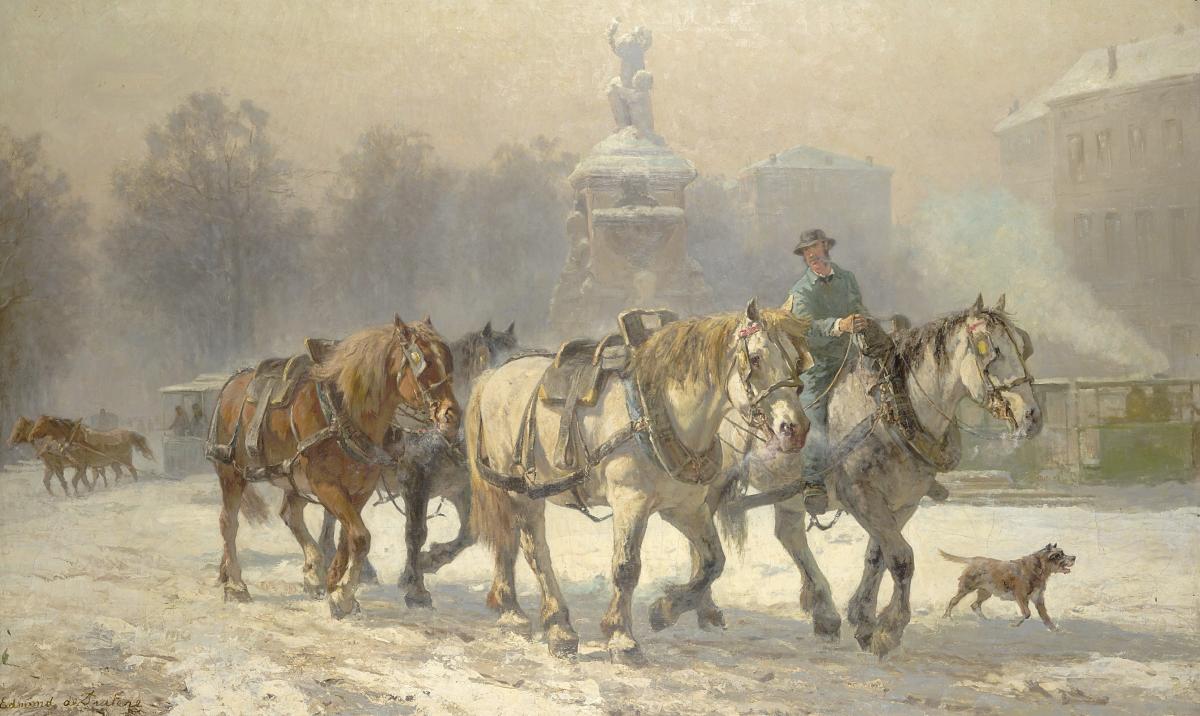
Eugénie and Henri De Pratere proposed donating their brother Edmond De Pratere’s (1826–1888) collection, an animal and landscape painter, to the Ixelles Municipality. The only condition: to preserve the paintings and artworks from his studio “in a space appropriate for this purpose and accessible to the public.” A fortunate coincidence: a building became available — the municipal slaughterhouse, which closed that same year. The authorities decided to kill two birds with one stone and install the donation in this repurposed space.
1892
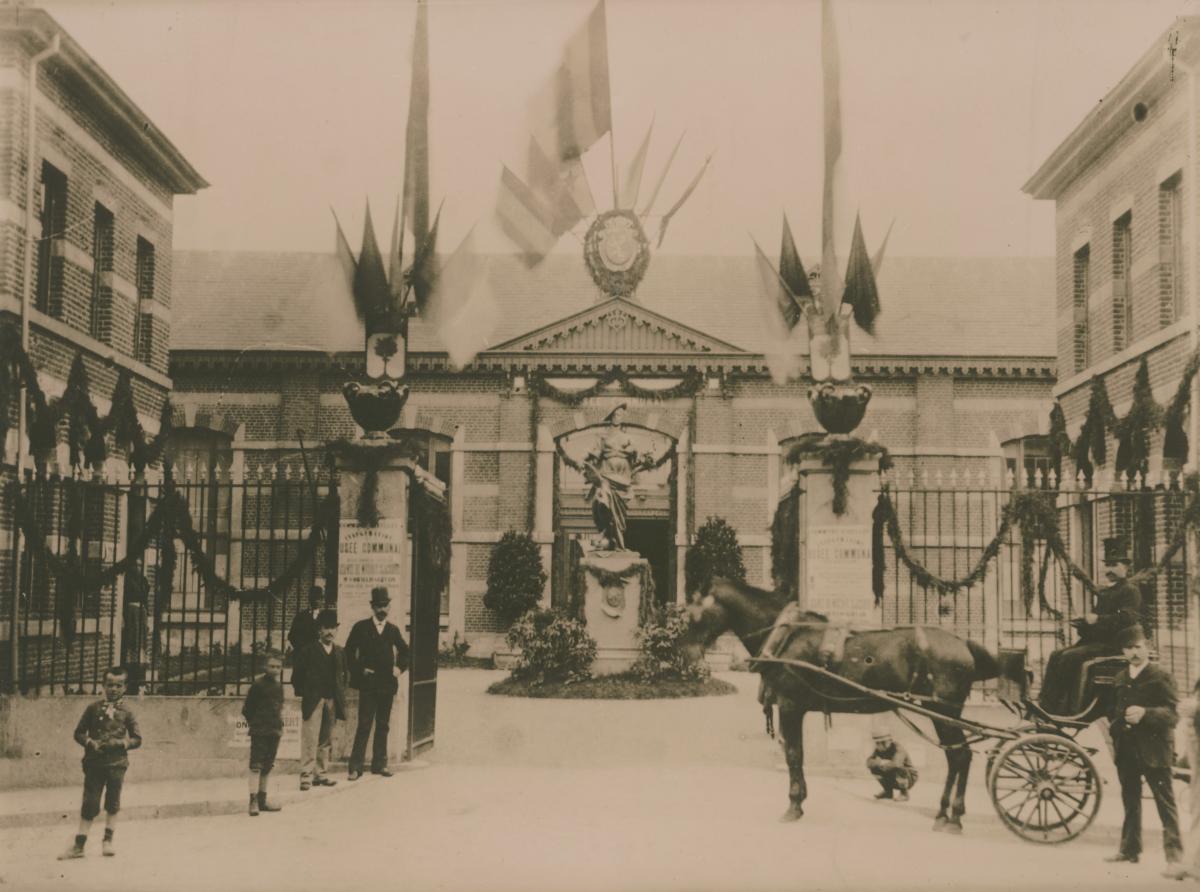
The Ixelles Museum was inaugurated in the presence of the royal family. The central halls of the former slaughterhouse were adapted to house Edmond De Pratere’s collection. That’s not all: a large additional hall was built at the rear, hosting an extensive “retrospective and modern exhibition.” These different spaces still exist today; they now contain the museum’s collection.
1893
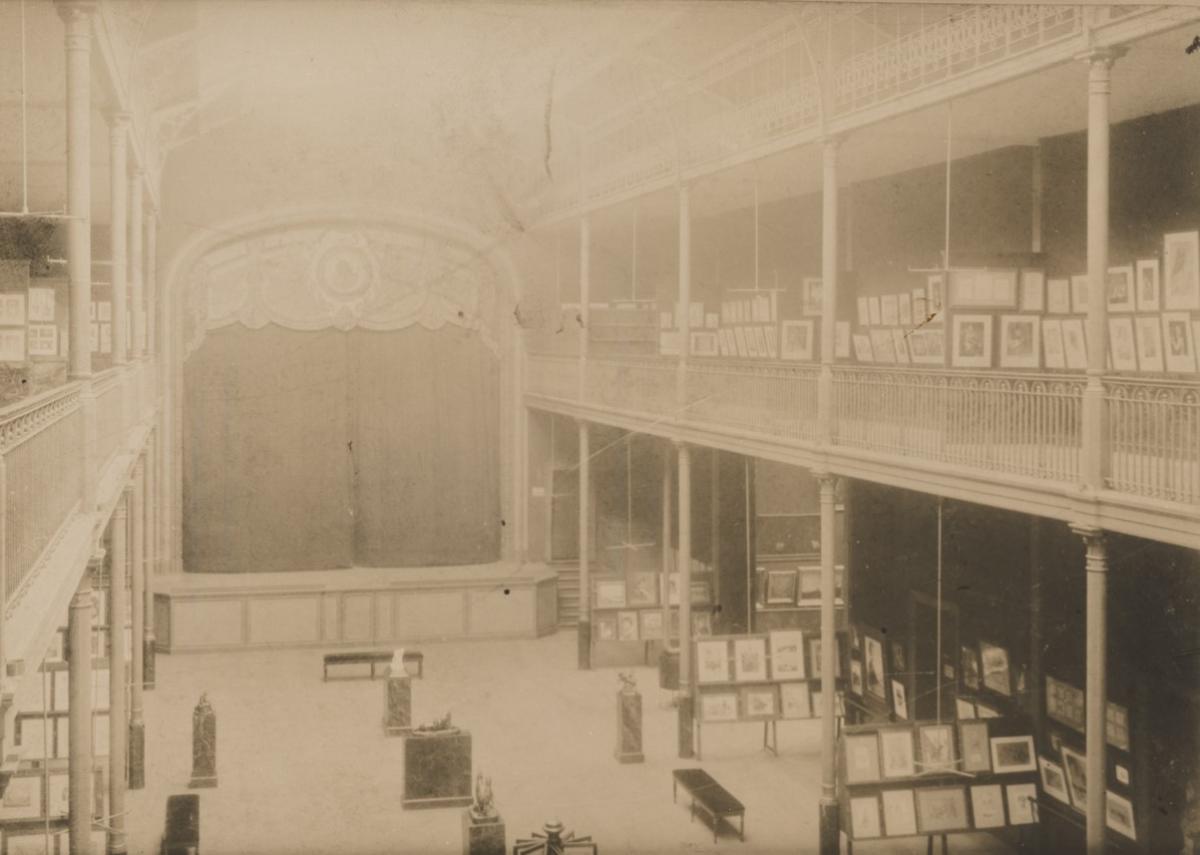
A banquet hall was built perpendicular to the existing rooms. Subject to numerous renovations over time, the hall’s status would long alternate between a rented entertainment space for various associations and an adjoining area occasionally used by the museum.
1895-1906
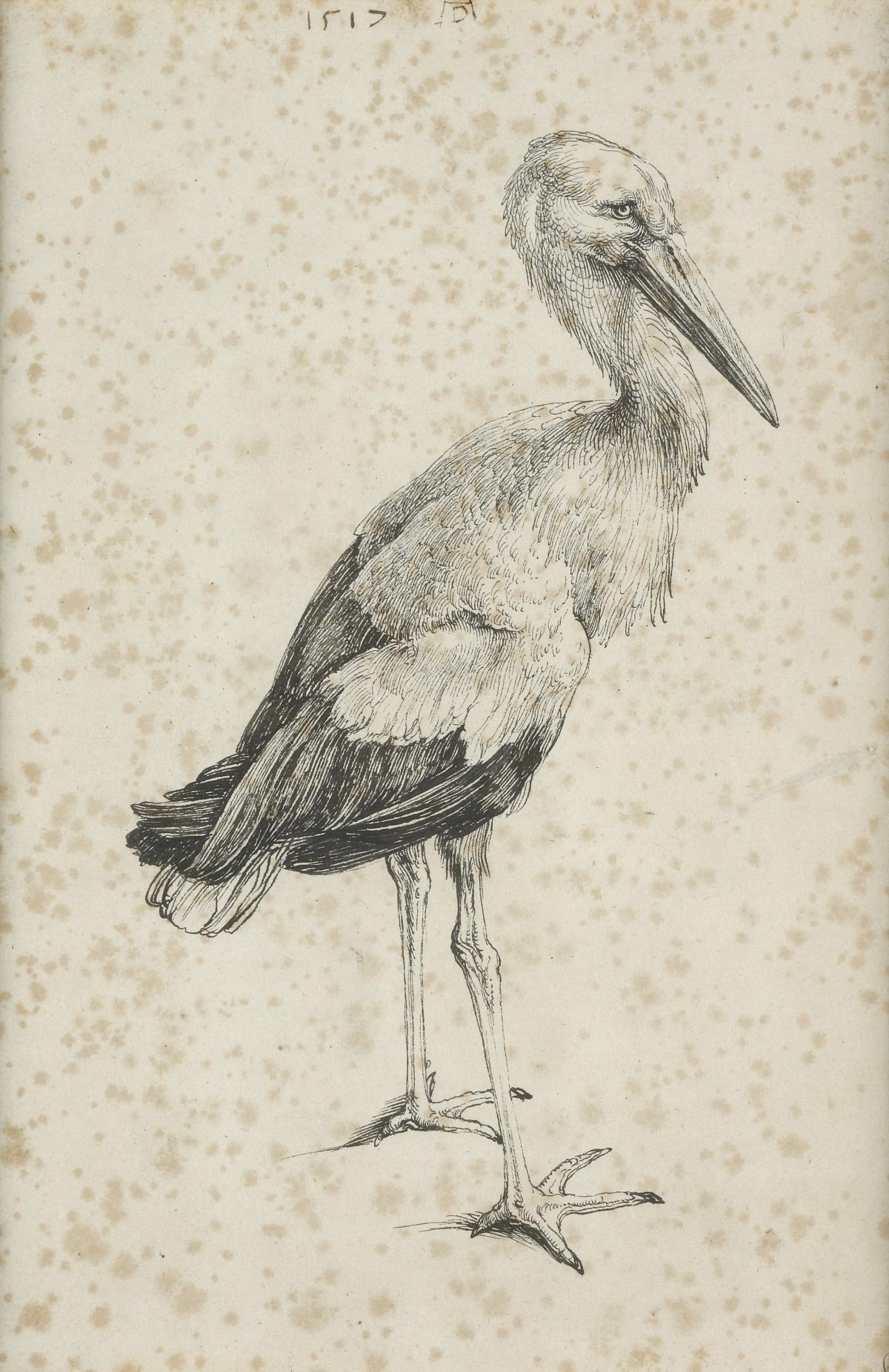
Three major donations notably enriched the collection of the Ixelles Museum. In 1895, the art dealer and critic Léon Gauchez donated a large collection including old art and 19th-century works. In 1906, Fritz Toussaint brought into the Ixelles Museum works by Belgian landscape painters, Gustave Courbet, Jacques-Louis David, and others. Also in 1906, an army commander, Joseph Botte, gave the municipality an exceptional set of around 500 Belle Époque posters, including a significant group of original posters by Toulouse-Lautrec.
1906
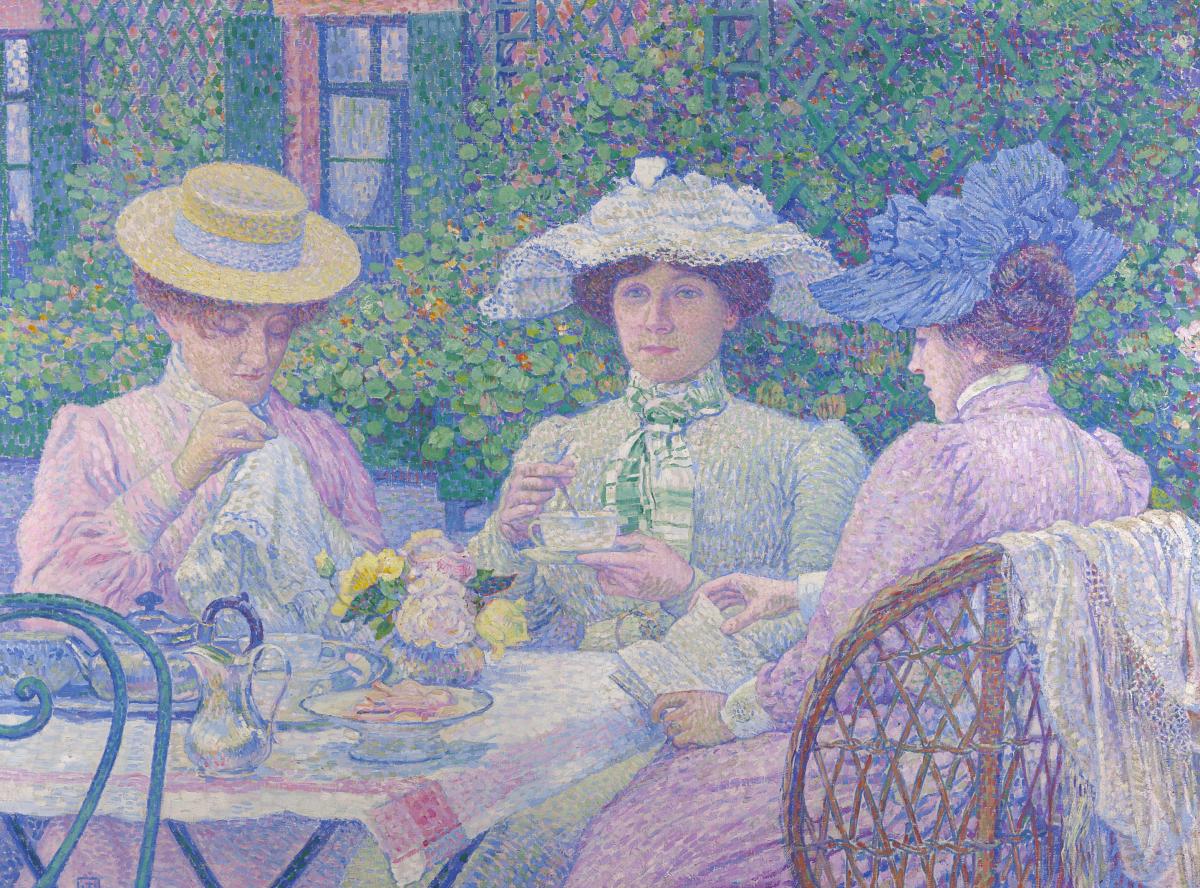
Inauguration of the Octave Maus Hall, featuring works presented to Octave Maus by artists who exhibited at his Salon de la Libre Esthétique, on the occasion of Maus’s twentieth anniversary leading the avant-garde in Belgium. These works, along with others from Maus’s personal collection, were subsequently donated to the museum in several phases.
1922
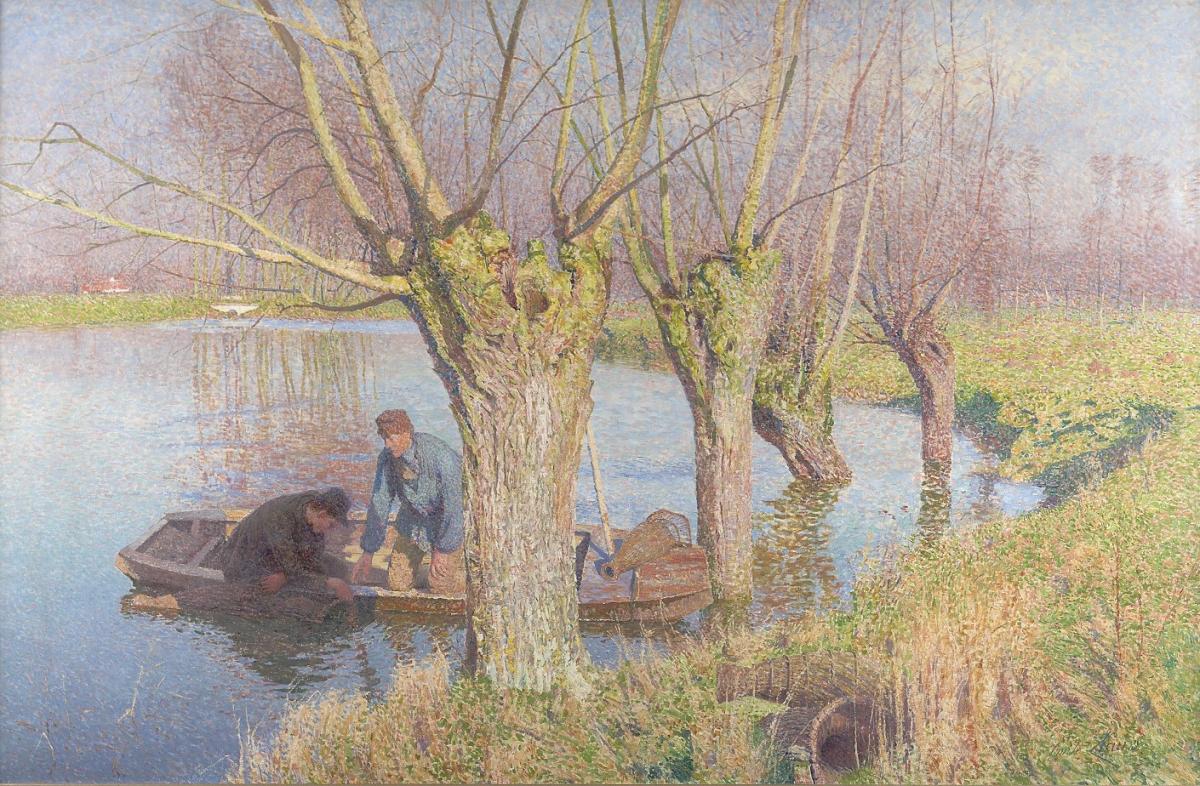
With the disappearance of the triennial Salons and the growing number of exhibitions, a new strategy became necessary to gather and select artworks. From 1922 onwards, the Ixelles Museum launched contemporary art exhibitions known as “Ensemble” exhibitions, a term used at the time to refer to collective presentations. Artists were invited to present their works, from which the acquisitions committee selected pieces intended to enrich the collections, subsequently submitted to the Council for approval. Initially reserved for members of the committee only, these exhibitions were gradually opened to the public. Among the museum’s first acquisitions was La Levée des nasses by Émile Claus.
1959
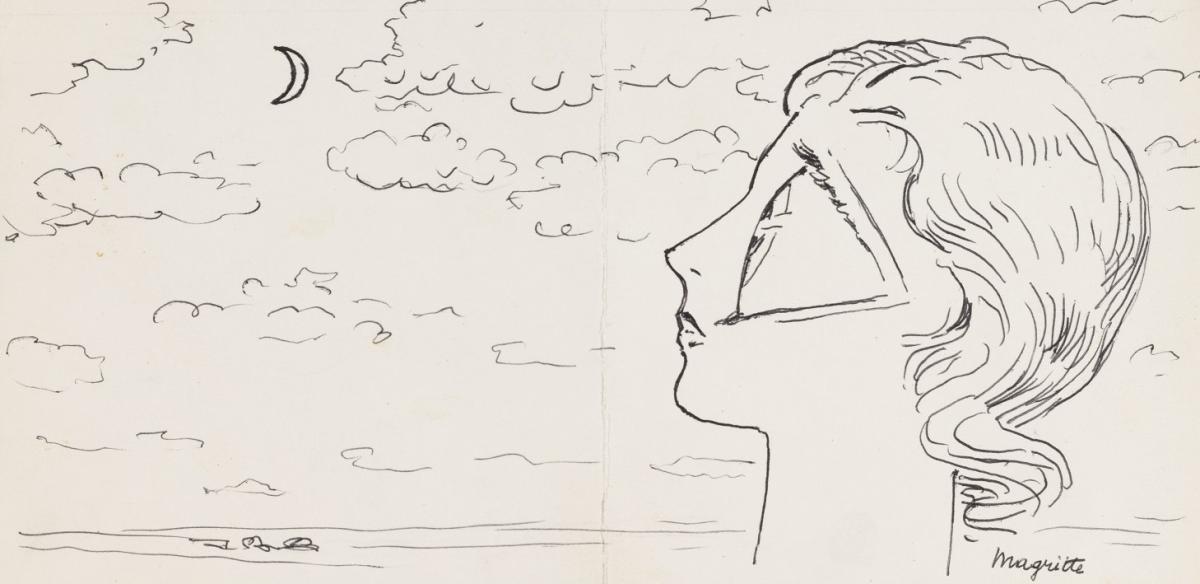
The first major monographic museum exhibition of René Magritte takes place at the Ixelles Museum.
1969-1973
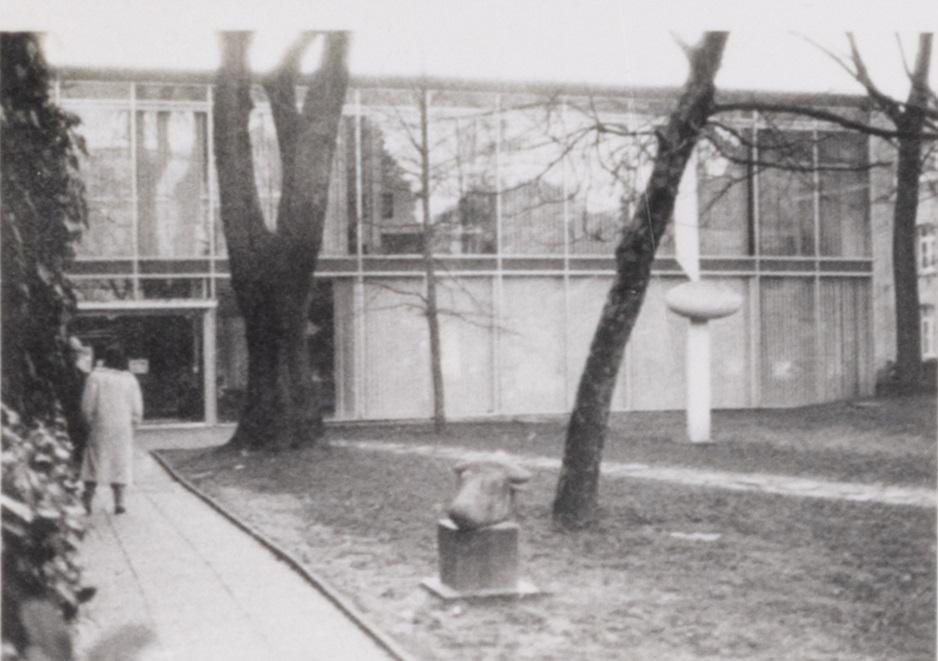
Een nieuwe vleugel wordt gebouwd, met een ruime reserve, een projectiezaal, twee tentoonstellingszalen en een onthaalruimte, evenals een nieuwe ingang. De inhuldiging vindt plaats in aanwezigheid van koning Boudewijn en gaat gepaard met een tentoonstelling gewijd aan Toulouse-Lautrec.
1977
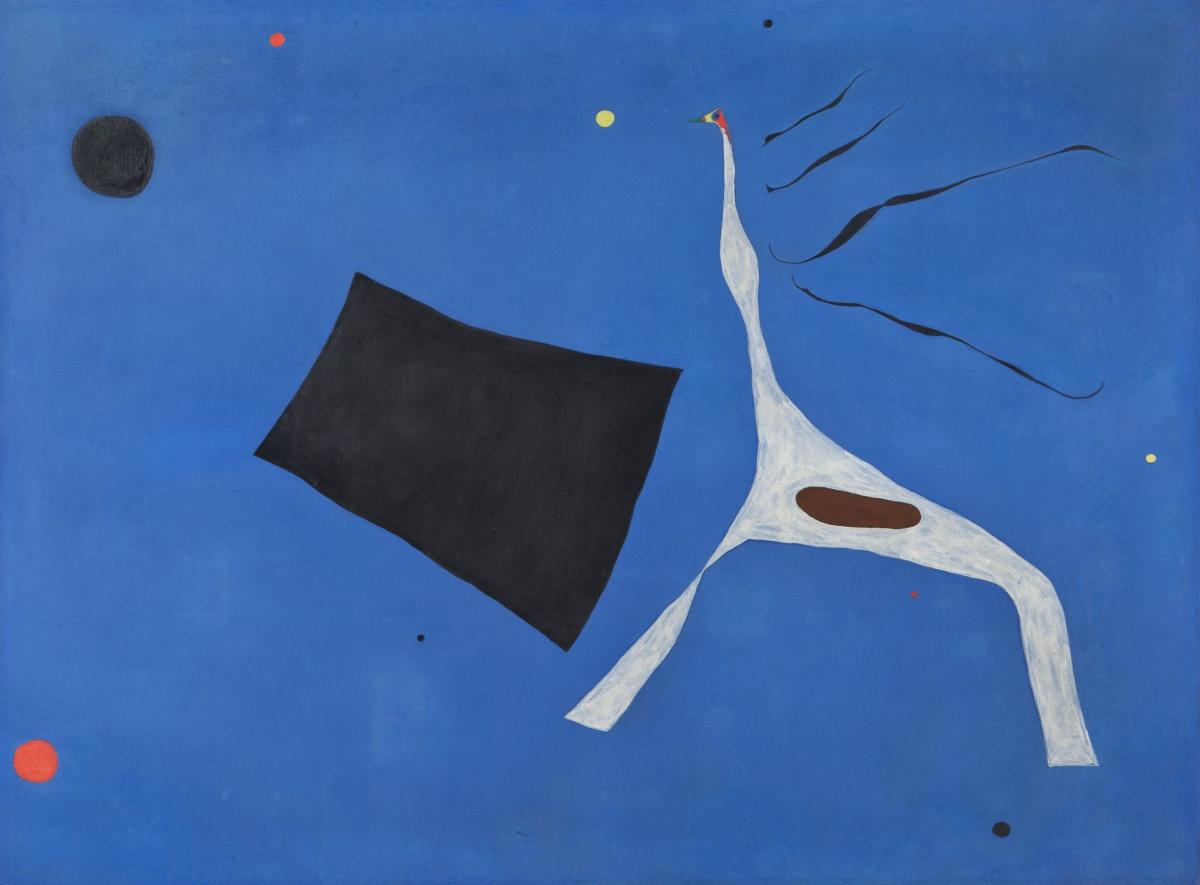
The collector and patron Max Janlet bequeaths an exceptional collection of 20th-century art, including works by René Magritte, Max Ernst, Constant Permeke, Gustave De Smet, and Joan Miró.
1994-1998
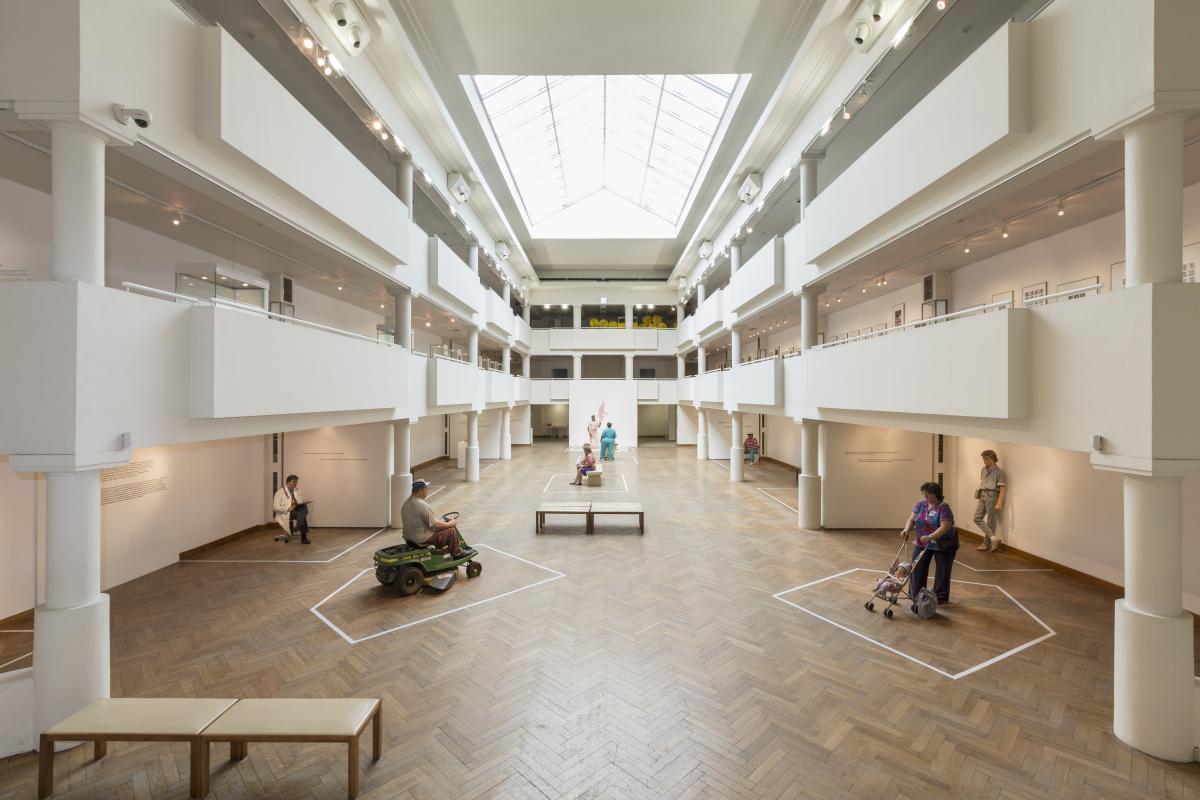
In 1994, the municipal banquet hall adjoining the museum is permanently converted into a large exhibition space of 1,000 m². A second phase of works follows shortly afterwards (1997–98) to provide the museum with new reception areas allowing direct access to this new exhibition space.
2005
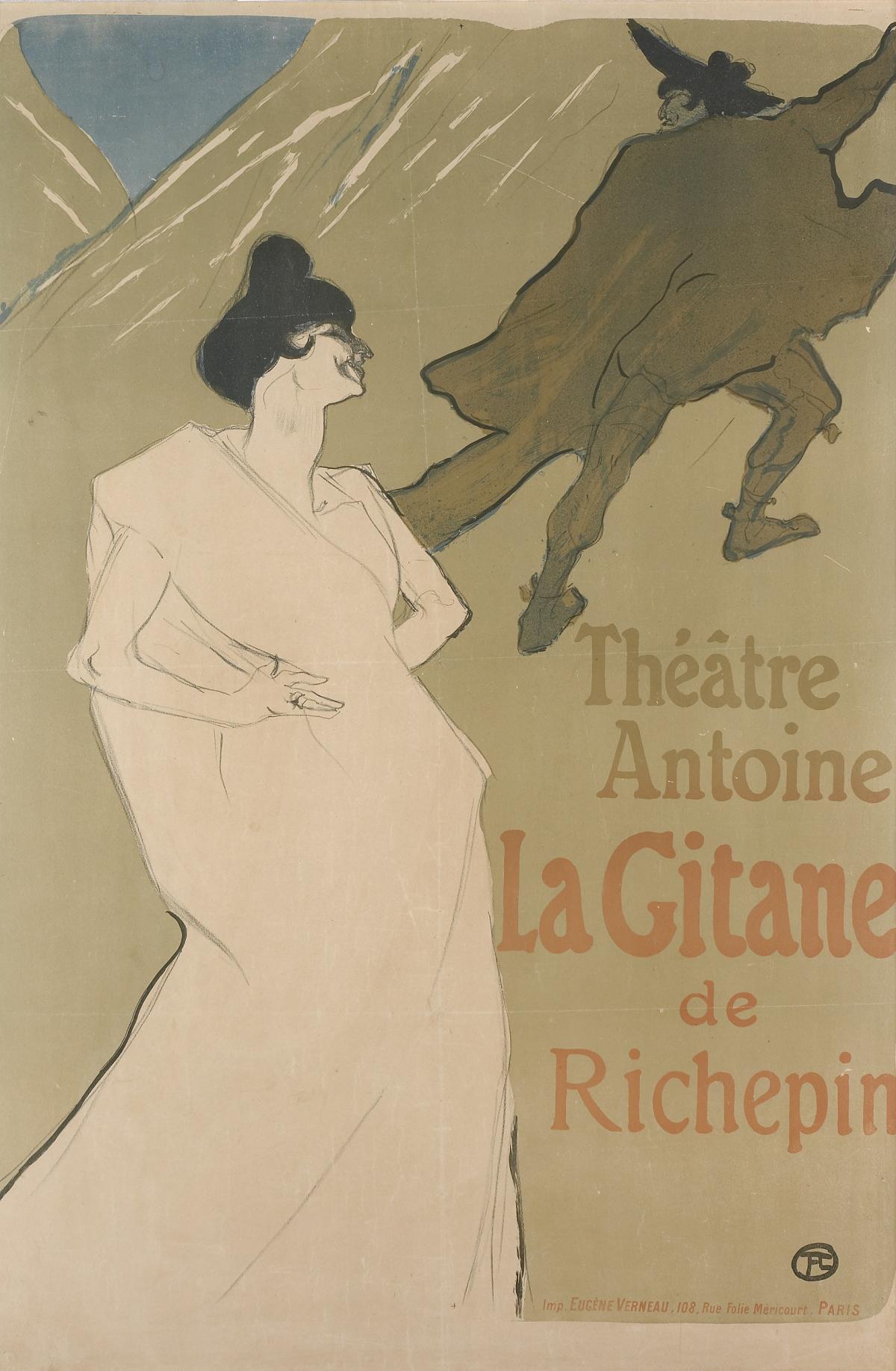
Following the acquisition of the last missing poster, La Gitane, the Ixelles Museum’s Toulouse-Lautrec poster collection is now complete – comprising 31 exceptional posters by the master from Albi.
2008-2018
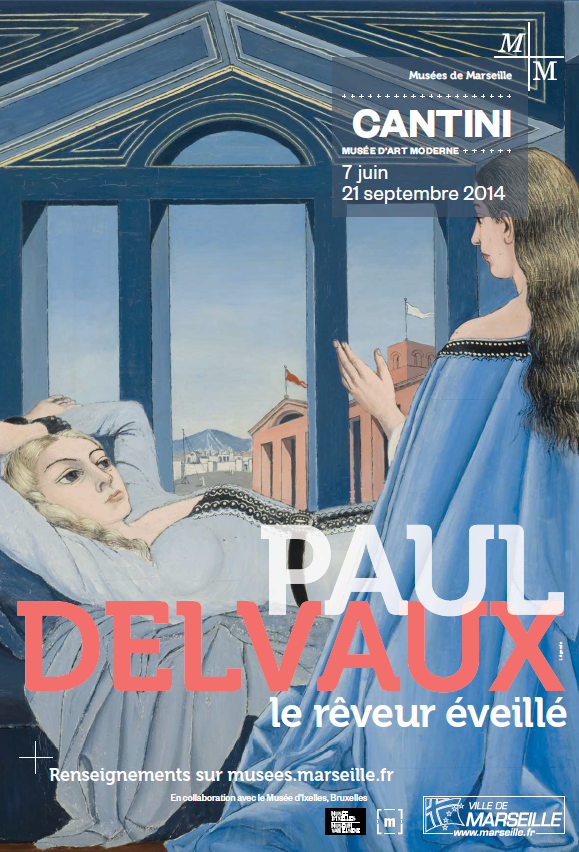
Through numerous landmark exhibitions both within and beyond its walls (Bruxelles, une capitale impressionniste at the Musée des impressionnismes in Giverny in 2014, and the international Paul Delvaux tour from Parma to Tallinn via Évian and Marseille), the museum strengthens the visibility of its collection and programme in Belgium and beyond. The institution continues its professionalisation, notably through the creation of cultural mediation and communication departments.
2018-2026
uring a major period of works, the Ixelles Museum undergoes a complete redevelopment, both in terms of infrastructure and the visitor experience: extensive renovation, energy optimisation, new reception areas including a café, a bookshop and a signature work by the artist Tatiana Wolska, new educational spaces, and a second garden open to the public. The revised inventory of 15,000 works feeds into a new database, while a public consultation is organised to gauge the expectations and wishes of future visitors.
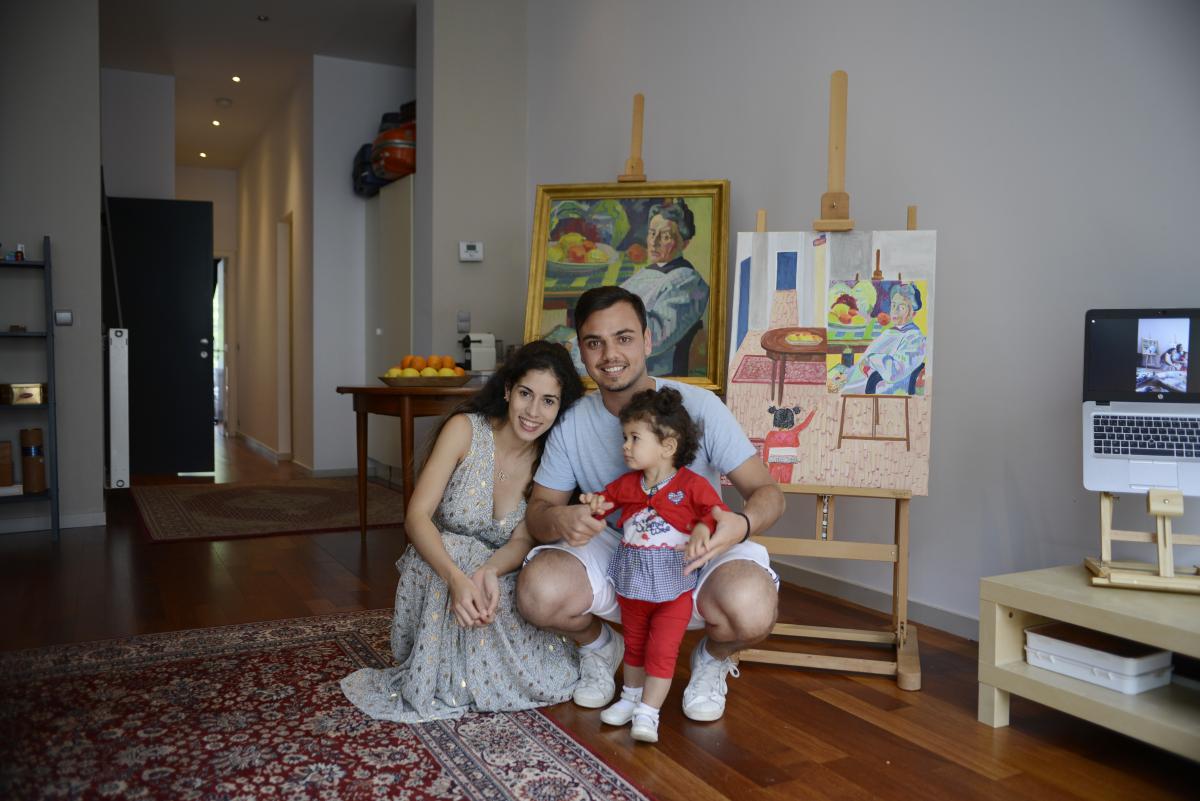
During its closure, the Ixelles Museum continues its activities beyond its walls: exhibitions, programmes for schools, and the initiative Musée Comme Chez Soi (10 editions, 2018–2023), which consists of lending works from the collection to residents living near the museum and has received numerous awards.
2027...
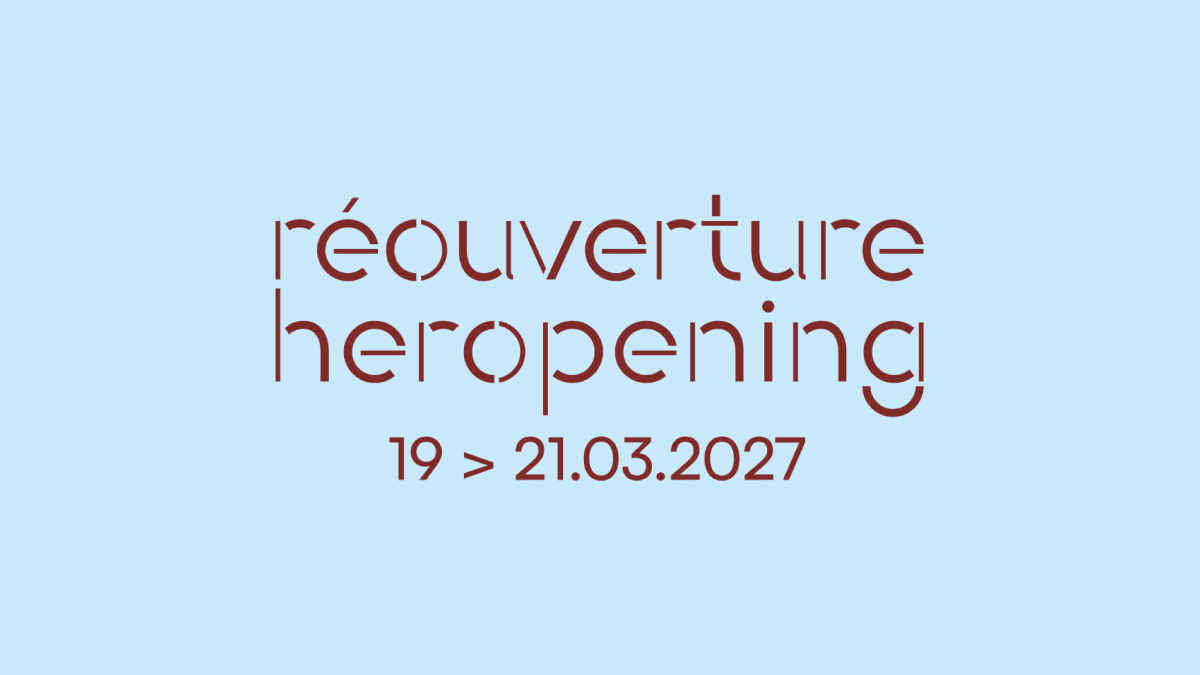
Reopening, with you! From March 19 to 21, 2027, the Museum of Ixelles is celebrating its reopening with you during the Opening Weekend. These reunions and encounters will mark the start of a new adventure that we can’t wait to share with you.